What are some treatments for turf burn?


Turf burn is really a painful injury which could result from sliding or falling during athletics on artificial turf. Skin abrasions may appear on various body parts like the elbow, knee, wrist, palm, forearm, chin, and chest.
Prompt cleaning of wounds is necessary to avoid infection. Applying an antibiotic ointment and a breathable bandage is preferred for wound care.
Debride the wound.
During gameplay, players may not always consider the rough and abrasive nature of artificial turf while concentrating on blocking shots or tackling opponents. Turf burns, painful skin abrasions, can occur when a person falls on the turf and is subjected to friction. Turf burn is a comparatively severe injury as it involves the removal of a layer of skin, unlike minor scrapes and scratches. how long does turf burn take to heal may bring about infection and serve as a gateway for bacteria, such as staph, to disseminate to other body regions, thereby causing complications like bone or bloodstream infections.
Proper wound cleaning is essential following a turf burn to avoid infection due to bacteria introduced to the wound by dirt, debris, or sand from the turf. Cleanse the abrasion by washing it with water or saline solution, and carefully eliminate any residual dirt. Apply pressure and rinse the wound until bleeding ceases. Subsequently, delicately dab it with a brand new piece of fabric to remove any excess moisture.
Subsequently, apply a sparse layer of antibacterial ointment onto the abrasion. Aloe vera can serve as a natural antiseptic and expedite the healing up process in the lack of antibiotic ointment. Finally, apply a sterile bandage to the abrasion. Perform daily cleaning, application of ointment, and bandaging to prevent infection and promote healing.
Administer topical antibiotic.
Turf burn is a resultant injury from skin exposure to artificial turf during sliding. The contact causes painful red abrasions and can result in severe health complications such as for example staph infections and sepsis. Sports-related injuries, particularly in football and soccer, are normal among athletes. These injuries may also affect other collegiate or professional athletes, including cheerleaders, that are vulnerable to sliding on turf and exposing their legs and arms.
Athletes with turf burn should promptly cleanse the wound with water and saline treatment for eliminate any debris honored the skin. Following cleaning, a sterile dressing should be applied and pressure should be put on the wound to regulate bleeding. Antibiotic ointment could be put on prevent infection if the wound isn't too sensitive to touch.
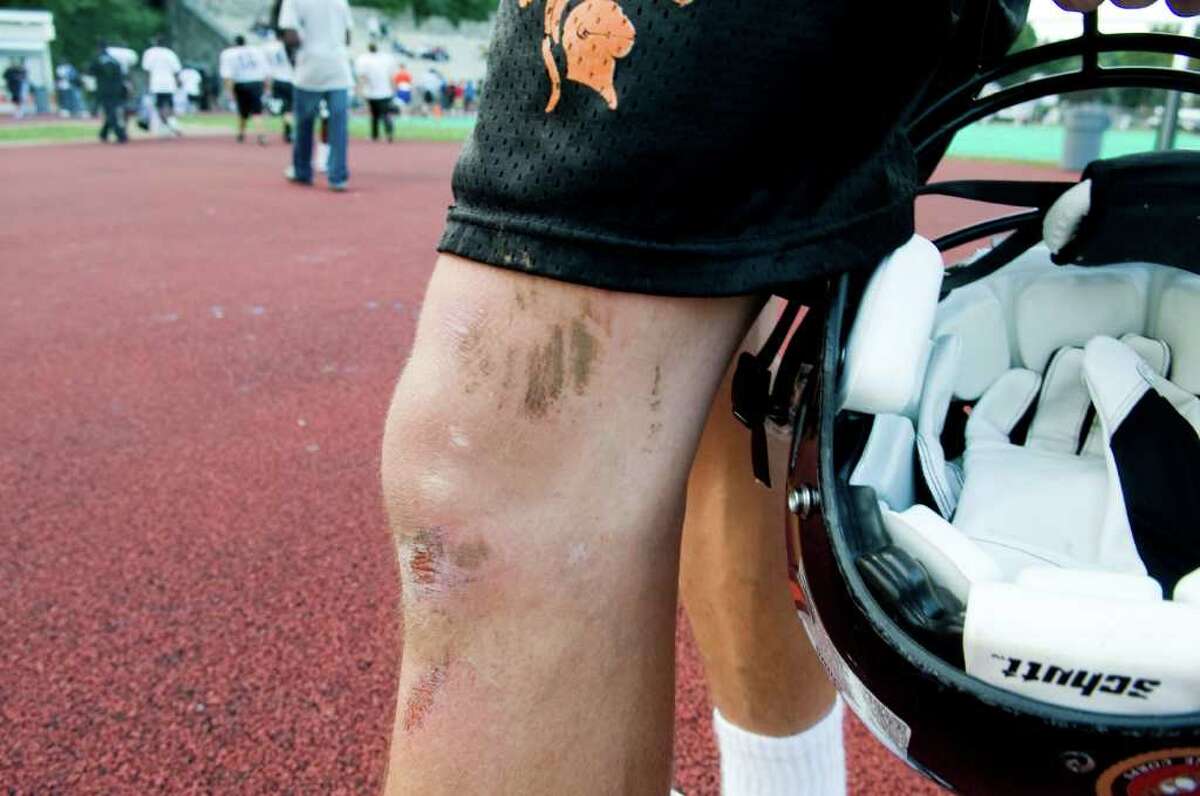
Sports participants have an increased probability of contracting infections through skin abrasions, related to heightened physical contact and shared equipment usage. Moreover, these abrasions serve as portals for microorganisms, such as for example staphylococci, which can achieve the presence of soil and microorganisms. Prompt treatment of the injury and early detection of infection signs, such as for example severe pain or pus, are necessary to prevent the condition from worsening.
Administer Aloe Vera.
Turf burn can lead to significant discomfort and the prospect of infection. Prompt treatment of turf burn with a typical first aid kit is crucial. how to treat turf burn at home may bring about severe complications. It is crucial to prevent additional friction on the wound to avoid exacerbating the injury. Application of skin protectants such as for example Body Glide can mitigate friction.
Turf injuries result from the friction generated between your body and astroturf, typically incurred during activities such as for example diving, sliding, or falling. Friction can lead to abrasions that can develop into open wounds. Contamination of wounds with bacteria can lead to infection. Athletes are at a higher threat of infection due to increased skin abrasions and close contact with other players.
Turf burn is normally seen as a a raspberry-colored lesion and minor hemorrhaging. This lesion can cause significant discomfort and could persistently cause a burning sensation, even following medical intervention. It is advisable to refrain from playing on astroturf until complete healing of a turf burn, which may take several weeks.
Wound cleansing is essential, but challenging because of the painful nature of turf burns. Utilizing what is turf burn and sanitized material to completely clean the wound is vital. You should rinse the spot with water and dry it with a clean cloth after cleansing.
Apply a dressing to the injury.

Prompt covering of a cleaned wound is vital to minimize the risk of infection. Hydrogel is a recommended moisturizing dressing to assist in the healing of turf burns. Hydrogel dressings facilitate wound hydration, thereby accelerating healing and mitigating pain.
Avoid direct connection with the wound using bare hands. This can enhance the possibility of bacterial infiltration and subsequent infection. Prior to cleaning the wound, it is advisable to perform thorough hand washing and don sterile gloves, if feasible.
Non-adhesive wound dressings are the preferred option for wound coverage. Facilitating skin respiration is crucial, particularly during exercise and perspiration. Daily dressing changes are recommended to maintain a moist and healthy environment for the abrasion.
Turf burn typically requires a couple of weeks to heal, and refraining from sports activities until complete healing is essential. Avoiding how to treat turf burn at home -injury can help expedite the healing process. Regularly monitoring the affected region for indications of infection, such as excessive redness or discharge, is advisable. Promptly contacting a physician is essential upon observing any initial signs of infection.